MASTERY FILMS – FILM PRODUCTION SERVICES
COLOR GRADING: MAKING SURE EVERYONE FEELS THE SAME THING YOU INTEND. EVERY FRAME MATTERS!

They say love is blind—your audience though, probably is not…
Let's be honest, when most people think about what makes a film look good, they think about the camera, they think about the lens, they think about the resolution. the lighting setup on set, the wardrobe, the cast and all other core essentials. Color grading is usually an afterthought.
It feels like a footnote to the real work. But you've probably watched a movie and felt like something was off. You couldn't quite put your finger on why. There's a decent chance the color was part of the problem.
Let’s give a concrete definition to these crucial concepts so that we’re all on the same page:
What is the Difference Between Filtering, Color Correction and Color Grading?
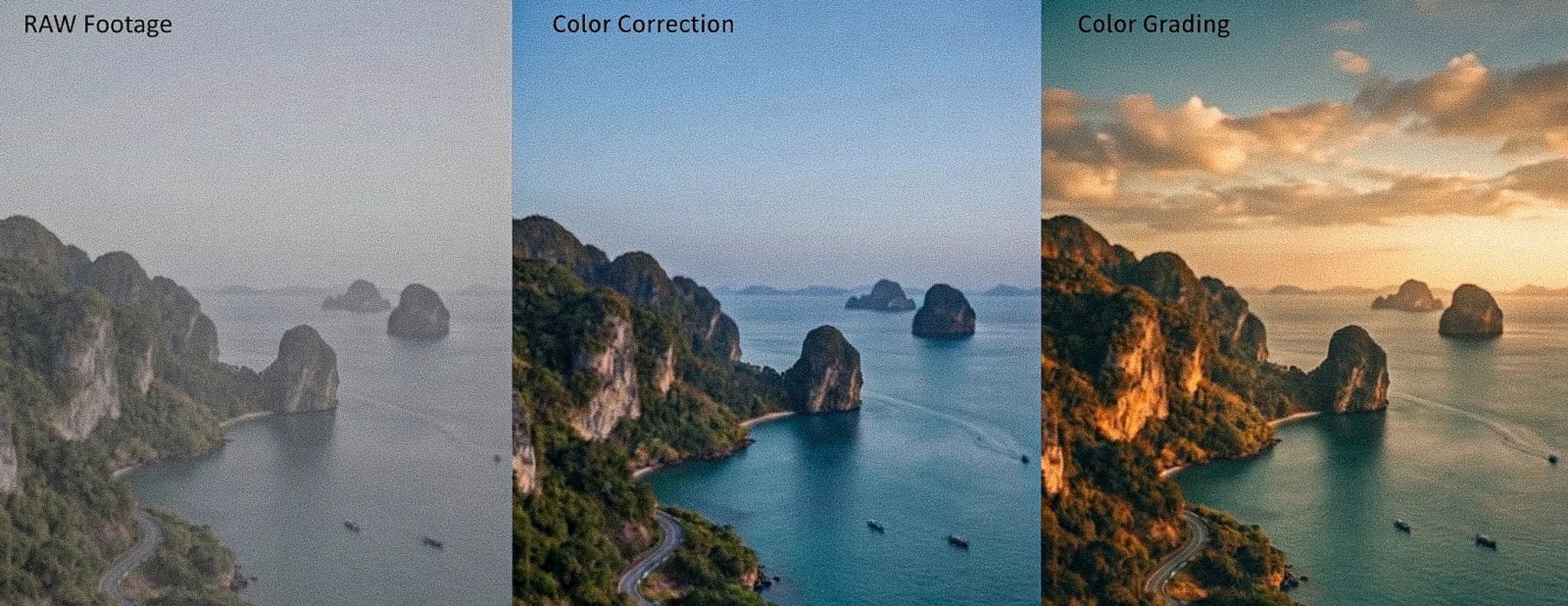
Filtering
A lot of clients come to us thinking grading is basically an Instagram filter for their video. It's not. Filters are static. They get slapped on top uniformly. Grading is dynamic. It changes from scene to scene. Sometimes it changes shot to shot, tracking the emotional arc of the story. The color in the opening scene often shouldn't match the color in the climax. This is true even if they're shot in the same room. It's true even with the same lighting rig. That's the whole point.
Filters are useful, and usually the start of the coloring process for large videos. For shorter formats such as corporate interviews, event videos or youtube short and media, a filter might be sufficient for you, and definitely a lot cheaper. We encourage their use if they fit your media content.
But if you want the professional look of a video, your video needs to be properly color corrected and graded by a colorist. If you want that sharp, digital look for your tech company’s corporate video announcement, that saturated dye on your music video that makes everyone think of Sabrina Carpenter, or that clean humanizing feel for your latest chocolate bar commercial, you need a color grade.
Color Correction
People mix this up constantly. Let's clear it up! Color correction is the technical fix. It makes sure skin tones look right, and balances exposure across shots. It makes sure Scene A doesn’t look wildly different from Scene B unless intended to. It gets rid of any weird color cast from bad lighting. It's necessary. It's unglamorous. It has to happen before anything else can.
Color Grading
Color grading is the creative layer that comes after. This is where you decide what the film should feel like. This is when you decide if the shadows should lean green and sickly for that thriller sequence, or if the film should feel warm and a little nostalgic. It’s when you get to determine if memory itself has a color temperature. Do you want that teal and orange blockbuster look? Or something more desaturated and quiet? These aren't technical questions. They're storytelling questions. That's the part people underestimate.
As one of the last steps in the completion of your post production process, color grading is one of the most crucial. Color correcting and color grading your video ensures that the color tones and the subjective messaging in your video is accurately communicated to your audience.
We've been doing production work for a while now at Mastery Films and there's one thing we keep coming back to: Color grading isn't decoration. It's not the icing on the cake. It's closer to the seasoning that was supposed to be in the recipe the whole time. If you skip it or do it badly, then everything else you worked so hard on feels thinner than it should.
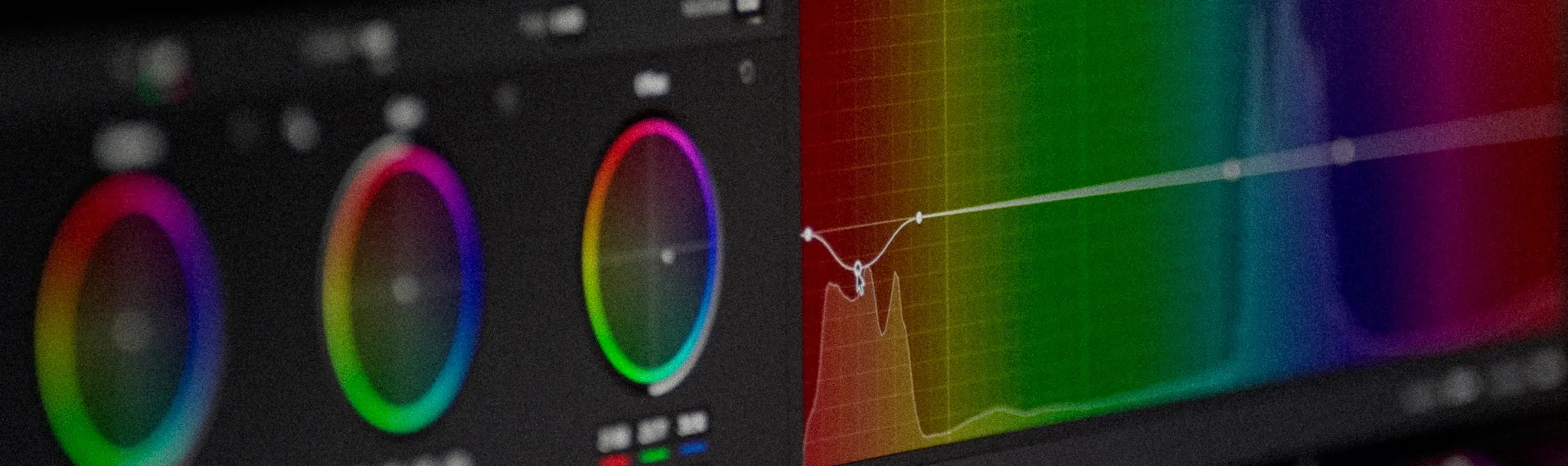
At Mastery Films we are able to provide you with a premium color grading service at affordable prices. Our post producers and the colorists chosen for your project will work closely with you to achieve the look you envision for your video.
Here are a few important things to consider when planning for your color grade:
01
Choose the right Colorist
The color grading artist does matter. Choosing the right person for the job who has the correct reel and who you feel will understand your work best, is perhaps the most important choice you can make in your color grading session. Every colorist has their own style and perception on how your film should look, choosing one that you feel delivers the quality and look you desire is of paramount importance. As your full-service production house, we’ll be able to provide you with colorist options, both locally and internationally.
02
Choose the hardware and software setup for your project
Adding onto making sure your colorist is going to be able to deliver your intended results: making sure you have a proper grading setup is definitely something you’re going to want your post producer to check on.
If you’re not able to, you will still want to make sure that your colorist is working on standard industry hardware and software such as Flanders Scientific monitors, Davinci Resolve, Autodesk Flame, and Black Magic or Tangent control surfaces.
03
Choose the right review feedback format for you
A proper color grading session can happen with both online feedback and review systems or in an editing suite in a color grading session. Although the online grading option is widely available and useful, we do recommend in-person approval sessions as it is much faster and accurate in choosing the color palettes you desire.
04
Plan your grading sessions well
Unlike editing, which can happen over an extended period of time, color grading sessions generally don’t last as long. It usually is completed in a matter of days, not weeks or months. In order to keep to deadlines, someone’s gotta manage things for you. We’ve got your back! We’ll organize and schedule your color grading sessions as needed.
If you’re looking for a great color grade for your project, get in touch with us.