MASTERY FILMS – FILM PRODUCTION SERVICES
WHY DO YOU NEED A FILM PERMIT? INSIGHTS FROM AN EXPERIENCED FILM PRODUCTION COMPANY

One of the safeguards any film production company should have is to ensure it can operate legally and without interference by obtaining all necessary film permits. There’s nothing worse than booking crews, paying all necessary deposits, and transporting your entire shooting infrastructure to the location to shoot, only to be told that filming is not possible due to a permissions issue.
Our producers at Mastery Films have over 10 years of experience obtaining film permits for all types of film production services. Whether it be your latest commercial, music video, TV series, feature film, or corporate video, or any other type of shoot, working with us, permits won't be something you have to worry about.
Steps To Obtaining a Film Permit
01

01
Plan your shoot out
The more solid the plan, the smoother the ride. Understandably, there will always be changes during film productions; however, if you can have as solid a plan as possible before passing on the information to your local production company partner, the smoother your permit processing will be. This approach will also help you control your budget and serve as a blueprint for your logistics planning.
02

02
Discuss your shoot in detail with your film production services partner
Lock in your shooting dates as solidly as possible, shortlist your locations, and make sure the film permit you are applying for is for the correct type for your shoot. The larger the shoot and the bigger crew, the more likely you are to have to apply for additional permissions. Having that all planned out as soon as early as possible for your shoot is crucial to minimizing any permissions issues during filming.
03

03
Assemble all the necessary paperwork, sign all the necessary documents,
and submit your application to the relevant authority.
This process is usually handled mainly by your local film production company, although it's not uncommon, nor should it be discouraged, for your film production company to come back to ask for specific information about your shoot to provide detailed descriptions to relay to the relevant authorities during the processing period. Depending on the sort of shoot you, you'll be asked to submit supporting documents pertaining to your shoot such as a synopsis, storyboards, scripts, etc.
04
04
Get approval and pay the fees.
Once your application has been reviewed and approved, you’ll need to pay the applicable permit fees before your shoot can get underway. Please note that processing timelines may vary, so it is advisable to apply well in advance of your scheduled shooting dates.
How Long Will the Permits Take to Process?
Processing time depends on the country you are shooting in and what kind of film you are trying to make i.e. feature film, TV series, commercial, documentary, film, public relations video, etc. As your local film production company, we’ll be able to tell you exactly what sort of processing times will be needed for the estimated approval dates for your permit.
TYPE OF FILM PERMITS
This really varies according to your specific production type and the country of your shoot. But to give you a basic overview of things, here’s a list of the types of permits you might need for your production.
Film Permit for Overseas Productions
If you are a foreign film production wishing to shoot in a country abroad, you will usually need to obtain a film permit for your shoot from the government of the country you are shooting in. This permit is typically the first step to ensure your crew and cast can legally film in the country and apply for any required visas and work permits needed for the shoot.
The authority issuing your permit may also want to assess the environmental impacts and safety measures that your production service will have in place, especially for high-risk types of shoots, such as those involving high-speed driving, stunts, or public areas that might affect members of the public who are not part of your shoot.
On shooting days, depending on the country, an assigned officer may monitor your shoot.
National Park Permits
You will probably need to apply for filming permission after you’ve received your general film permit, depending on the national park. It is common for the locations to require you to go through their own permitting committees to assess environmental and safety risks, especially if you need to have a large crew that requires things such as set builds.
Historical Sites and Landmarks Permits
Like national parks, the filming permissions for such locations usually require more rigorous scrutiny than your general film permit.
Public Street Permits
These permits usually involve your film production company coordinating with the local authorities for permission. This process usually involves obtaining filming permission from the local police district and traffic command, as well as possible permission from the municipality or city authorities for filming. If your shoot requires closing off streets, redirecting traffic, or filming on highways, there is usually a separate layer of permits required from local traffic or transport authorities. This type of permit is a common requirement for action sequences and large-scale productions.
Weapons and Prop Permits
Productions that involve firearms, replica weapons, or other regulated props often require additional clearance from local law enforcement or relevant authorities. For proper compliance with the local laws, your local production services partner will need to make sure that the crew handling such dangerous devices has the proper licenses, such as pyrotechnical licenses and real or prop weapons licenses, and also make certain that the local authority of your shooting location allows for such weapons or props to be used.
Private Location Permissions
To secure permission for your private locations, it’s important for you or your film production company to have location agreements in place with the various private locations you might be filming at to ensure you have proper access and that misunderstandings or disagreements don’t occur with the location owners or management over the terms of your shoot in prep or production.
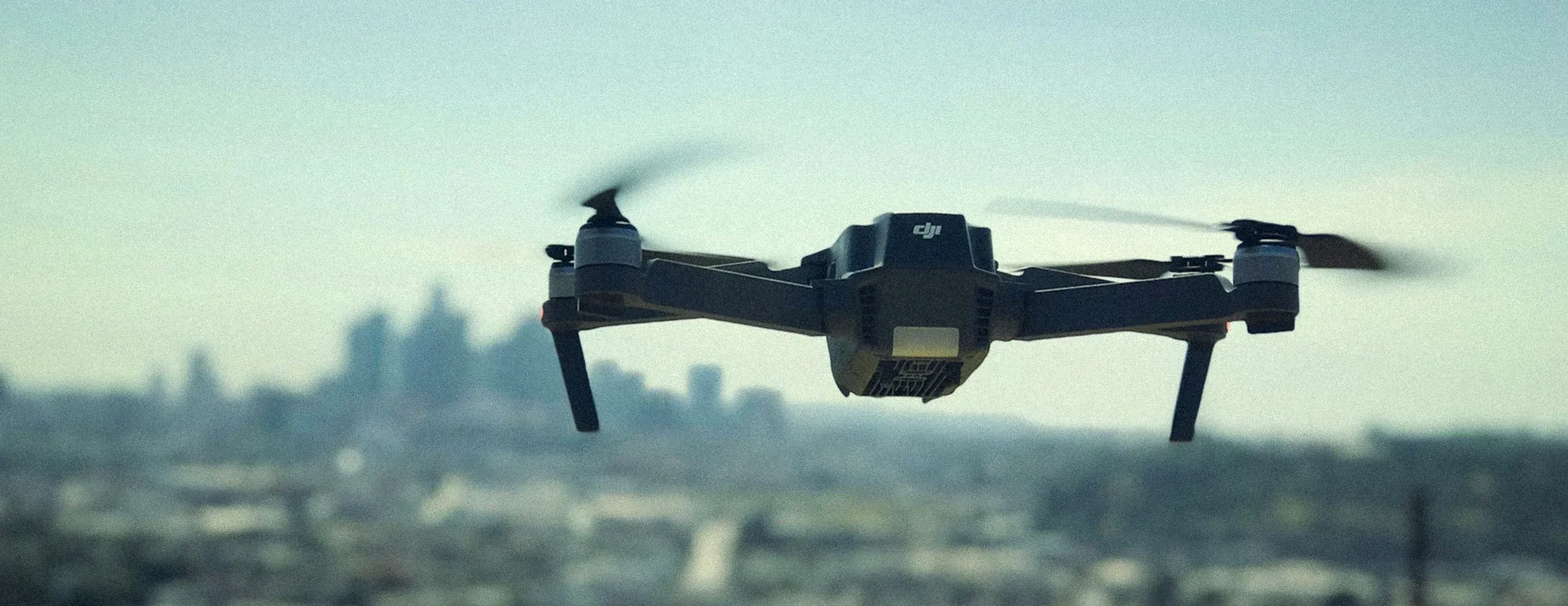
Drone Permits
As a global phenomenon, drone permits seem to be becoming increasingly strict and bureaucratic, requiring more and more documentation before permissions are granted. As a rule, if you are shooting in an urban area or city center, the requirements are usually more stringent than in rural areas. Depending on the country you’re shooting in, your drone pilot license may require a fluid registration process or rigorous on-site training.
You may also be required to receive additional permissions from several local authority departments as well as the relevant aviation authorities in the country you are shooting in.
Drone permits should not be taken lightly, as countries around the world are becoming more rigid in enforcing financial and criminal penalties for flying your drone illegally. Make sure you consult your production partner about this topic for your shoot in detail.
Additional Considerations to Keep in Mind Alongside Your Film Permits
As mentioned earlier, getting your film permits may be only the first step in ensuring your film's success. As a film production company with experience dealing with the multitude of safety and logistical contingencies in production, here’s what we think you should keep in mind along with your permits.
Production Insurance
Another item that is recommended and often a requirement for permits, especially with locations that require additional scrutiny, such as national parks or historical sites. Having production insurance helps offset potentially costly risks to your production should complications arise. Most production insurance will cover loss or damage to the video footage, third-party liability, producer’s indemnity, film equipment damage, and medical coverage for accidents or fatalities of the crew and cast while in production.
Visas and work permits
The specific types of visas and work permits for your crew will vary depending on the country you are shooting in as well as the duration and type of shooting project. In most cases, obtaining a film permit will be the basis on which the embassy or labor department of the country you are filming in will issue your visas and work permits.
You can find more information on obtaining film permits, location permits, or visas and work permits for film productions, as well as any information specific to your actual filming location in the related articles below. Contact us with any questions you may have regarding permits or video production services queries at masteryfilms.com